This Morning’s Dr Sara Kayat shares her advice for mums-to-be planning to give birth in the next few months.
How can mums-to-be prepare for having a baby during a pandemic:is there anything different that they should pack in my hospital bag?
Aside from the obvious facemask and alcohol gel or wipes, I would recommend making sure you have something that helps you feel calm during a time of anxiety. For me, that was all my positive affirmations written on cue cards so I could read and re-read them when I was feeling a little out of control.
What’s the best way to create a positive birth plan that is still practical during a pandemic?
For many, much of the birth plan should remain unaffected by the pandemic, however, you will want to check with your birthing place’s policies on having partners present, what to do if you get COVID-19 symptoms, and if options like home births are still available. In my opinion, one of the most important aspects of your birth plan during this pandemic is your support network. Think about how you can still be in touch with those in that network even if you are unable to have them there antenatally, for the birth and postnatally.
Can mums-to-be still have a homebirth during COVID?
Policies will vary depending on the hospital you are registered with, so do your homework especially if you live in an area where you have a choice of a number of hospitals, and learn about their processes. I was fortunate enough to be able to have a home birth during the pandemic.
When the baby is here, will they still have regular appointments-will their weigh ins and jabs still go ahead?
The baby will still have all their necessary immunisations and their 6-8 week checks where they are fully examined and weighed by the GP. However, many of the health visitor appointments have become video consultations to limit the number of face to face appointments and possible exposures.
What tips do you have to make the initial weeks of motherhood a little easier?
Pre-prepared frozen meals are a lifesaver, as the last thing you want to do whilst you’re knee-deep in nappies is cook, and it’s so important to keep your nutrition and energy levels up. I would also always have a drink and snacks nearby at all times- baby rearing is thirsty and hungry work! It can be hard to remember from which breast your baby last fed, so place a scrunchie around the wrist of the arm of that side, as an aide de memoire.
A sling is your best friend. In that fourth trimester, it can feel impossible to do anything when your baby doesn’t want to be apart from you, but by wearing your baby, you have two hands free to get things done without putting down that precious cargo. Having said that, don’t push yourself too hard, the washing and cleaning can wait.
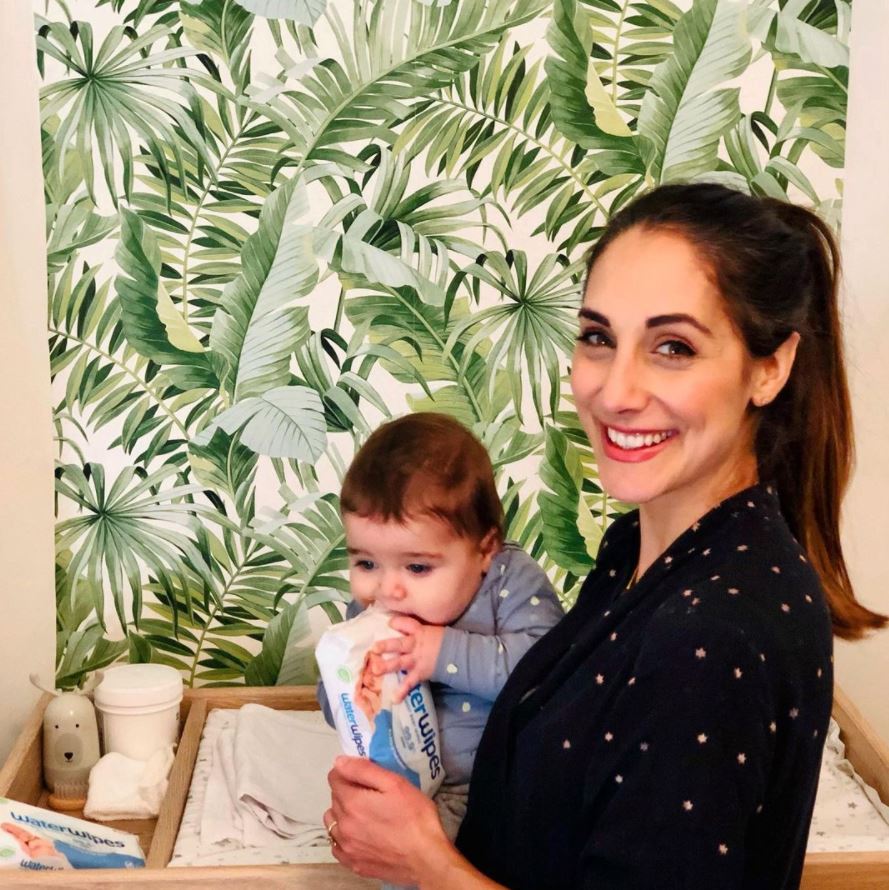
Have a few nappy caddies scattered around the house because those first few weeks are poo explosion galore! Stuff them full of the essentials- nappies, barrier cream, muslins, change of clothes and wipes. I use Waterwipes as the wipes are now 100% biodegradable as well as being 99.9% water with just a drop of fruit extract, so I can be kind to my baby’s skin as well as the environment.
Trust your instincts. Everyone will give you advice, and some of it is very useful but if something doesn’t sit right or you are worried, as your baby’s mother you are the best person to know.
Is there a way to access breastfeeding support without health visitor clinics?
If you are unable to attend clinics, you can still speak to your health visitor remotely if you have any questions about breastfeeding, but I also found the National Breastfeeding Helpline (0300 100 0212) very useful.
There are some excellent websites including La Leche League (who also have a helpline) and the Unicef UK Baby Friendly Initiative. If you would like NHS approved information then the Breastfeeding Friend from Start4life is also an excellent resource of expert advice. Remember your GP is still open and is there for you if you need any further help. Establishing breastfeeding can be such a confusing and difficult time, so please always reach out for support.
My antenatal classes aren’t going ahead; how can I get support before giving birth?
Many antenatal classes have become video classes and whilst it is not ideal, they have become innovative in teaching in this remote way. For me, there was even some benefit in them being online, because after a busy day at work, heavily pregnant, there was something very lovely about being able to just attend a class from the sofa with a cup of tea and biccies by your side! I have even maintained friendships with the others in the class and I meet the other mums and babies for our daily exercise walks, so it doesn’t feel as isolating and I still get the longed-for peer support.
Dr Sara Kayat is working with Water Wipes as their ambassador and is passionate about clearing up confusion on eco terminology,
to help ensure parents feel less pressured and more informed on the
topic.