“I chose to sit out.”
Those were my nine-year-old daughter’s words when she told me about a science experiment at school.
The experiment involved chocolate. Her classmates were handling dairy chocolates containing milk, one of her severe allergens. The chocolates were placed on classroom tables, and there was no handwashing or cleaning of surfaces afterwards.
My daughter had been given her own free-from chocolate and a separate table.
So, technically, an alternative had been provided. She hadn’t been forgotten.
But she still didn’t feel safe.
What happens when children who’ve been handling milk chocolate touch shared equipment, classroom tables or door handles without washing their hands?
For my daughter, who’s experienced multiple episodes of anaphylaxis, these aren’t imaginary concerns. They’re risks she’s learned to recognise through some frightening experiences.
And so she made a decision.
“I chose to sit out.”
On the surface, that sounds like a child taking responsibility for her safety. And in many ways, it was.
I’m proud that she can recognise potential risks and advocate for herself.
But underneath those four words was a nine-year-old girl who didn’t feel safe enough to participate in a science experiment in her own classroom.
She was choosing between feeling safe and feeling included.
And that’s a choice no child should routinely have to make.
When an alternative isn’t the same as inclusion
I don’t believe the school intended to exclude my daughter. By providing a free-from chocolate and a separate table, they’d clearly attempted to accommodate her allergies.
But inclusion isn’t simply about providing a different version of the same thing. It’s about considering whether a child can participate safely and meaningfully alongside everyone else.
For my daughter, having separate chocolate didn’t address her concerns about her allergen being handled throughout the classroom.
What might have helped?
Using suitable free-from chocolates for everyone, agreed in advance and checked against individual allergy needs, could have reduced the risks and allowed the children to participate together.
Appropriate handwashing and surface cleaning would also have helped minimise allergen cross-contact.
And perhaps most importantly, speaking to us beforehand could have allowed those concerns to be addressed before the lesson.
None of this means every classroom must be completely allergen-free. Different children require different precautions.
But it does mean thinking beyond what’s on one child’s plate.
Sometimes the barrier to inclusion isn’t the child’s allergy itself. It’s the way the activity has been planned.
It’s about more than missing out on chocolate
Food plays an enormous role in childhood.
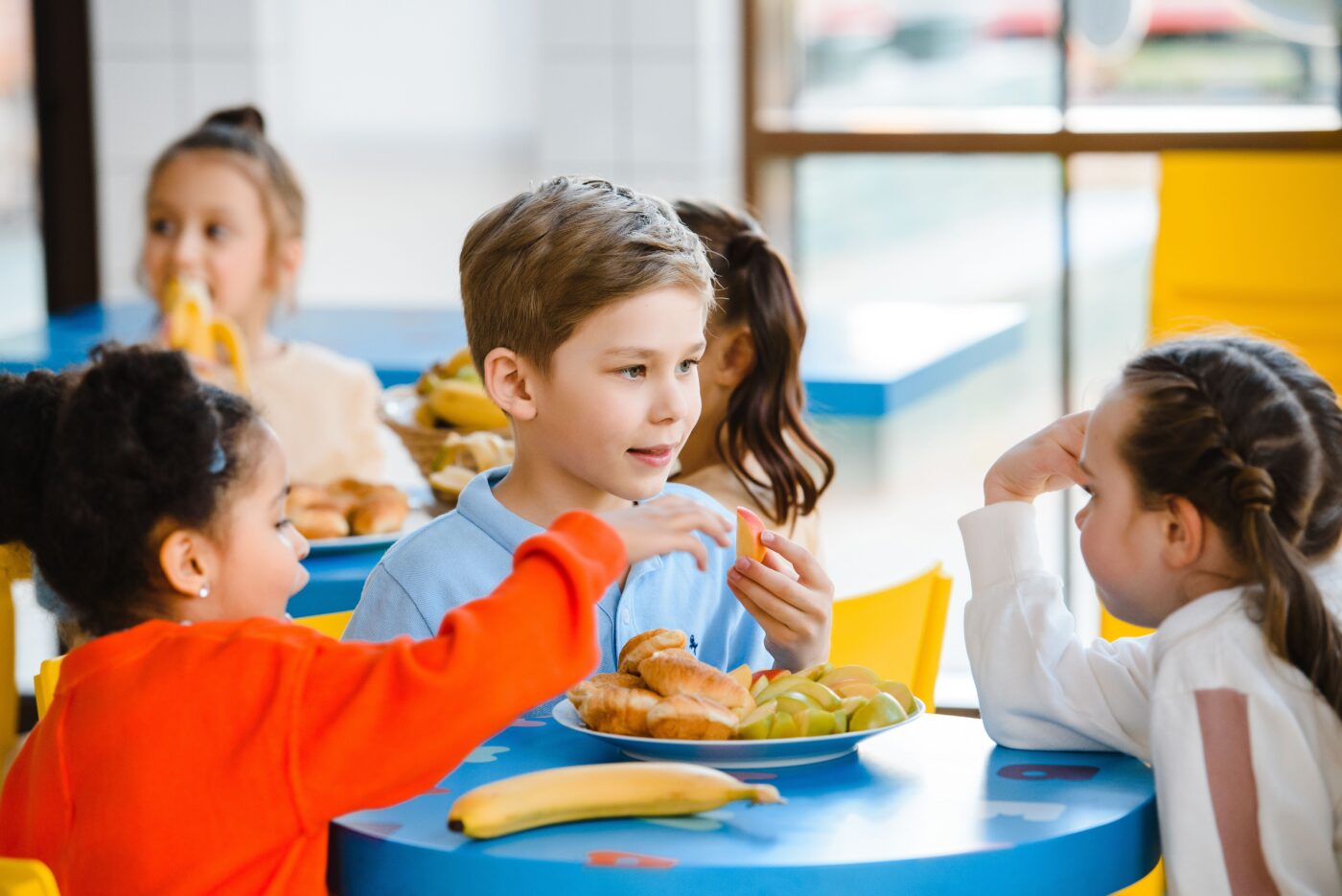
Birthday cakes, Christmas parties, baking activities, cooking lessons and playdates. So much of children’s social lives revolves around eating.
For children with severe food allergies, these ordinary experiences can require additional planning and sometimes difficult decisions about participation.
But there’s something else happening beneath the surface.
Children are developing their sense of identity and belonging. They’re learning where they fit in and how other people respond to their differences.
Imagine repeatedly watching your friends enjoy something you can’t have. Or being offered a separate activity while everyone else participates together.
Even when adults are trying to protect you, it’s possible to feel like you’re the problem.
As a mental health nurse and coach, I understand how repeated experiences of exclusion can affect a child’s confidence and sense of belonging.
But understanding the psychology doesn’t make it any easier when it’s your own child.
My daughter already knows she has allergies. She knows she needs to be careful.
What I don’t want is for her to grow up believing that her needs make her an inconvenience.
When responsibility falls on the child
As allergy parents, we spend years teaching our children to recognise allergens, ask questions, speak up when something doesn’t feel right and know what to do in an emergency.
These are essential life skills.
But there’s an uncomfortable contradiction.
We want our children to become confident and independent. Yet sometimes that independence means they’re left making difficult safety decisions in situations that could have been better planned by adults.
My daughter did exactly what we’ve taught her to do. She recognised a situation she didn’t feel safe in and chose not to participate.
I’m proud of her.
But I wish she hadn’t been put in that position.
Self-advocacy is an important skill. It shouldn’t become a substitute for adult responsibility.
Small changes can make a big difference
You don’t need to be an allergy expert to help a child feel included.
If you’re organising a birthday party, ask about allergies when sending invitations. Don’t assume a child can’t attend or that something labelled “free from” will automatically be suitable.
If you’re a teacher, consider allergies when planning activities rather than making last-minute adjustments. Speak to families beforehand, follow individual allergy management plans and consider how allergens might be transferred through hands and surfaces.
And sometimes, ask whether food needs to be involved at all.
Could a celebration involve games or crafts instead of sweets? Could a science experiment use different materials? Could everyone participate using ingredients checked and agreed as suitable?
Every child’s allergies are different, so individual risk assessments and appropriate precautions are essential.
If your child doesn’t have allergies, you can help too.
Talk to them about why some friends need extra precautions. Encourage empathy without making allergies seem frightening.
Children take their cues from adults. When we treat differences as ordinary and manageable, we help create environments where nobody needs to feel embarrassed about their needs.
Inclusion starts with thinking differently
I don’t expect the world to become completely allergen-free for my daughter.
I know that isn’t realistic.
What I hope for is a little more consideration, communication and willingness to adapt.
Because inclusion isn’t about giving every child exactly the same thing.
It’s about recognising different needs and ensuring those differences don’t automatically become barriers to participation.
Sometimes that means making a small adjustment. Sometimes it means changing an activity altogether.
And sometimes it starts with one simple question:
“How can we make sure every child feels safe and included?”
That’s worth asking whether a child has food allergies, another additional need or simply experiences the world differently.
Because every child deserves more than just being kept safe.
Every child deserves to feel they belong.
About the Author
Fulden Tubb is a mental health nurse, certified coach and founder of The Allergy Strategist, supporting parents of children with food allergies to manage anxiety, build confidence and navigate the emotional challenges of allergy parenting.
As a mum to a child with severe food allergies who’s experienced multiple episodes of anaphylaxis, Fulden combines professional psychological knowledge with lived experience to help families feel more confident and supported.
Find out more at www.theallergystrategist.co.uk or https://www.instagram.com/allergy.strategist/.